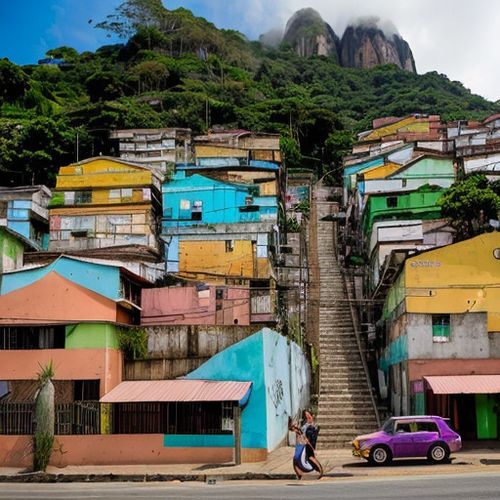
The vibrant hillsides of Rio de Janeiro have long been a symbol of both the city's struggles and its resilience. Among these iconic landscapes, the painted houses of the favelas stand out as a testament to creativity thriving in adversity. Recently, this unique urban artistry achieved global recognition when it was designated as a UNESCO World Heritage Site, marking a historic moment for the communities that call these neighborhoods home.
For decades, the favelas of Rio were synonymous with poverty, crime, and neglect. The makeshift homes clinging to steep hillsides represented the stark inequality that has plagued Brazilian society. Yet within these communities, an extraordinary transformation was taking place. What began as simple maintenance - residents painting their homes with whatever leftover paint they could find - evolved into a breathtaking urban art project that changed global perceptions of these neighborhoods.
The turning point came in 2005 when local artists and community leaders initiated the "Favela Painting" project in Santa Marta, one of Rio's most visible slums. Dutch artists Jeroen Koolhaas and Dre Urhahn collaborated with residents to create massive murals across entire building facades. The project demonstrated how art could empower communities while challenging stereotypes about favela life. This grassroots movement soon spread to other neighborhoods, with each developing its own distinctive style and color palette.
Walking through these transformed communities today is like moving through a living rainbow. Entire hillsides shimmer with carefully coordinated colors - turquoise blending into sunflower yellow, fuchsia fading to lime green. The effect is more than just visually stunning; it represents a profound reclamation of space by residents who have historically been marginalized. "Before the painting, people only saw our community as dangerous," explains Maria Silva, a lifelong Santa Marta resident. "Now they come from all over the world to photograph our homes. Our children grow up proud of where they live."
UNESCO's designation specifically recognizes the "Cultural Landscape of Rio's Painted Favelas" as an outstanding example of human creativity and community resilience. The honor acknowledges not just the visual impact of the paintings, but their social significance as a grassroots movement that improved living conditions while preserving community identity. This marks the first time informal urban settlements have received such recognition, setting an important precedent for how we value cultural heritage in contemporary cities.
The road to UNESCO recognition wasn't without challenges. Early efforts faced skepticism from both authorities and some residents who questioned whether painting houses was the best use of limited resources. However, as the projects demonstrated tangible benefits - from increased tourism to improved community pride - resistance faded. The paintings became a catalyst for broader improvements, with many neighborhoods seeing better infrastructure and services following their visual transformations.
Critics argue that such beautification projects risk becoming "poverty prettification" - superficial changes that mask deeper social issues without addressing root causes of inequality. Community leaders counter that the initiative has always been about more than aesthetics. "The painting was just the beginning," notes local activist Carlos Mendes. "It brought us together as a community, gave us visibility, and forced the government to pay attention to our needs. The colors are beautiful, but the real change is in how we see ourselves."
Indeed, the economic impact has been significant. Favela tourism has become a major industry in Rio, with painted neighborhoods like Santa Marta and Vidigal attracting visitors from around the world. This has created jobs for local guides, restaurant owners, and artisans. More importantly, it has changed narratives about these communities, portraying them as places of creativity rather than just poverty.
The UNESCO designation comes with both opportunities and responsibilities. While it may bring more tourism revenue, it also requires careful management to prevent over-commercialization that could dilute the authenticity of these communities. Local leaders are working on guidelines to ensure any development respects the cultural integrity of the neighborhoods while benefiting residents directly.
As Rio's painted favelas enter this new chapter, they stand as a powerful reminder of how marginalized communities can transform their environments through collective action and creativity. The splashes of color across the hillsides represent more than just paint - they symbolize hope, resilience, and the enduring human capacity to create beauty in even the most challenging circumstances. In a world increasingly divided between rich and poor, Rio's chromatic favelas offer a vision of how urban spaces might evolve when communities are empowered to shape their own futures.
The story of Rio's painted favelas continues to unfold, with new neighborhoods joining the movement and artists experimenting with ever more ambitious designs. What began as a practical solution to make crumbling homes more weather-resistant has become one of the most striking urban art projects on the planet - a living, evolving testament to the transformative power of color and community spirit.
By Daniel Scott/Apr 12, 2025
By Emily Johnson/Apr 12, 2025
By Sarah Davis/Apr 12, 2025
By Ryan Martin/Apr 12, 2025
By Emma Thompson/Apr 12, 2025
By George Bailey/Apr 12, 2025
By Rebecca Stewart/Apr 12, 2025
By Elizabeth Taylor/Apr 12, 2025

By Samuel Cooper/Apr 12, 2025

By James Moore/Apr 12, 2025
By David Anderson/Apr 12, 2025
By George Bailey/Apr 12, 2025
By Sarah Davis/Apr 12, 2025
By Benjamin Evans/Apr 12, 2025
By Michael Brown/Apr 12, 2025
By Victoria Gonzalez/Apr 12, 2025
By David Anderson/Apr 12, 2025
By David Anderson/Apr 12, 2025
By Olivia Reed/Apr 12, 2025
By Rebecca Stewart/Apr 12, 2025