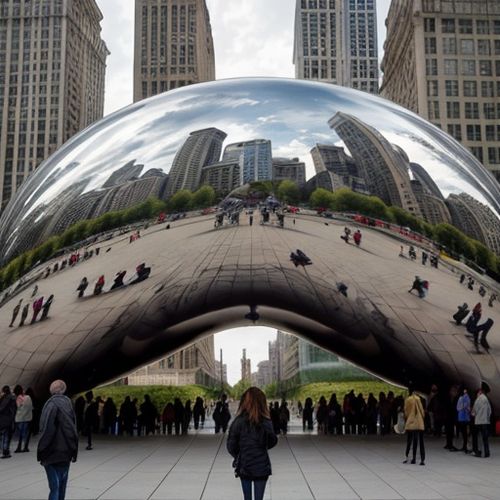
Millennium Park’s most recognizable landmark, Cloud Gate—affectionately known as "The Bean"—is set to become even more mesmerizing. The City of Chicago has announced plans to install a series of cutting-edge light-based interactive artworks around Anish Kapoor’s iconic sculpture. The project, slated for completion by late 2025, aims to transform the surrounding plaza into a dynamic canvas that responds to human movement and environmental changes.
The initiative comes as part of Chicago’s broader strategy to reinvigorate public spaces through technology-driven art. Unlike traditional static installations, these new works will employ motion sensors, real-time data feeds, and adaptive LED systems to create an ever-changing visual dialogue with visitors. Early renderings suggest the lights will cast ethereal reflections onto Cloud Gate’s polished surface, effectively turning the entire area into an immersive light sculpture during evening hours.
Cultural Context and Technical Innovation
Chicago has long served as a testing ground for architectural and artistic innovation, from the birth of the skyscraper to the avant-garde public art collection that dots its downtown. This new project continues that legacy by blending Kapoor’s physical masterpiece with digital ephemerality. The lighting system’s proprietary software can detect crowd density, weather patterns, and even social media trends to alter its display—meaning no two visits will offer identical experiences.
Sources close to the project reveal that the installations will primarily activate after sunset, though some subtle daytime interactions are being prototyped. The technology draws inspiration from teamLab’s boundary-pushing digital art museums and Olafur Eliasson’s weather-responsive works, but with distinctively Midwestern sensibilities. One proposed feature allows the lights to mimic the movement of Lake Michigan’s waves when sensors detect increased humidity in the air.
Community Impact and Economic Considerations
Local business owners near Millennium Park have expressed cautious optimism about the development. While concerns about increased foot traffic disrupting operations exist, many recognize the potential for extended visitor hours to boost nighttime commerce. The Chicago Department of Cultural Affairs estimates the installations could attract an additional 300,000 annual visitors, generating approximately $18 million in incremental tourism revenue.
Accessibility advocates have secured commitments from the city to ensure the interactive elements don’t create barriers for visitors with disabilities. Tactile feedback points and audio descriptions will accompany the visual displays, while certain zones will maintain lower light levels to accommodate light-sensitive individuals. This inclusive approach reflects Chicago’s recent efforts to make public art experiences available to all demographics.
Artistic Collaboration and Environmental Sensitivity
The selection process for participating artists emphasized Chicago-based talent, with finalists including both established new media artists and emerging creators from the South and West sides. Their proposals underwent rigorous review by panels comprising art historians, technologists, and community representatives. The winning designs will employ energy-efficient LEDs powered partially by solar panels discreetly integrated into nearby park infrastructure.
Environmental impact studies confirmed the installations won’t disrupt migratory bird paths—a significant concern given Chicago’s location along major flyways. The lighting frequencies and intensities were carefully calibrated after consultation with ornithologists from the Field Museum. This attention to ecological detail demonstrates how large-scale public art projects must now balance creative ambition with environmental responsibility.
Looking Ahead: The Future of Interactive Public Art
As cities worldwide compete to create Instagram-worthy cultural destinations, Chicago’s approach stands out by prioritizing meaningful interaction over mere photogenicity. The Cloud Gate enhancements represent a philosophical shift in how municipalities view public art—not as decorative afterthoughts but as vital components of urban infrastructure that foster social connection and technological literacy.
When completed, the project will likely influence similar initiatives globally, much as Cloud Gate itself inspired countless reflective sculptures worldwide. For now, Chicagoans await the transformation of their beloved Bean’s surroundings, anticipating how light and technology will write the next chapter in this stainless steel icon’s story. The first test illuminations are expected to begin in spring 2025, with a grand unveiling ceremony planned for that summer’s Chicago Architecture Biennial.
By Daniel Scott/Apr 12, 2025

By Emily Johnson/Apr 12, 2025
By Sarah Davis/Apr 12, 2025
By Ryan Martin/Apr 12, 2025
By Emma Thompson/Apr 12, 2025
By George Bailey/Apr 12, 2025
By Rebecca Stewart/Apr 12, 2025
By Elizabeth Taylor/Apr 12, 2025

By Samuel Cooper/Apr 12, 2025
By James Moore/Apr 12, 2025
By David Anderson/Apr 12, 2025

By George Bailey/Apr 12, 2025
By Sarah Davis/Apr 12, 2025

By Benjamin Evans/Apr 12, 2025
By Michael Brown/Apr 12, 2025

By Victoria Gonzalez/Apr 12, 2025

By David Anderson/Apr 12, 2025
By David Anderson/Apr 12, 2025
By Olivia Reed/Apr 12, 2025
By Rebecca Stewart/Apr 12, 2025