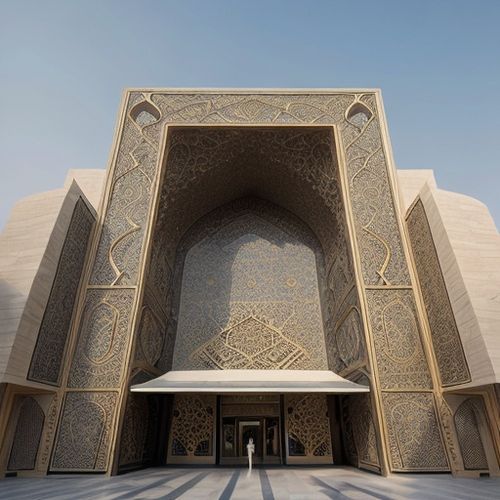
The Museum of the Future in Dubai stands as a breathtaking architectural marvel, not just for its futuristic design but also for its intricate facade adorned with Arabic calligraphy. This masterpiece seamlessly blends tradition with innovation, creating a visual narrative that speaks volumes about the cultural and technological aspirations of the region. The calligraphy, far from being mere decoration, serves as a profound statement about the intersection of heritage and progress.
The facade of the Museum of the Future is covered in striking Arabic script, featuring quotes from His Highness Sheikh Mohammed bin Rashid Al Maktoum, Vice President and Prime Minister of the UAE and Ruler of Dubai. These inscriptions are not randomly placed; they are meticulously integrated into the structure’s stainless steel cladding, forming windows and patterns that allow natural light to filter into the building. The result is a dynamic interplay of light and shadow, where the words seem to come alive as the sun moves across the sky.
The choice of Arabic calligraphy for the museum’s exterior is deeply symbolic. Arabic script, with its flowing lines and artistic versatility, has been a cornerstone of Islamic art for centuries. By embedding these timeless designs into a cutting-edge architectural framework, the museum pays homage to the past while boldly embracing the future. The calligraphy acts as a bridge between generations, reminding visitors that innovation does not require the abandonment of cultural roots.
One of the most captivating aspects of the calligraphic facade is its technical execution. The letters are not simply etched onto the surface; they are an integral part of the building’s structure. Each character was digitally designed and then laser-cut into the steel panels, ensuring precision and durability. This fusion of traditional artistry and modern engineering highlights the museum’s overarching theme: the harmonious coexistence of history and forward-thinking vision.
The content of the calligraphy further reinforces the museum’s mission. The quotes selected emphasize themes of exploration, knowledge, and human potential. Phrases like "We may not live for hundreds of years, but the products of our creativity can leave a legacy long after we are gone" resonate with the museum’s focus on sustainability and long-term thinking. The words are not just decorative—they are a manifesto, challenging visitors to ponder humanity’s role in shaping the future.
Beyond its aesthetic and philosophical significance, the calligraphic facade also serves a functional purpose. The intricate patterns created by the Arabic script help regulate the building’s temperature by diffusing sunlight and reducing heat absorption. This sustainable design choice reflects the museum’s commitment to environmental responsibility, proving that beauty and practicality can go hand in hand.
The Museum of the Future’s facade has quickly become an iconic symbol of Dubai’s ambition. It is a testament to the city’s ability to honor its cultural heritage while pushing the boundaries of modern architecture. The calligraphy, with its elegant curves and profound messages, transforms the building into more than just a museum—it becomes a living, breathing work of art that inspires all who encounter it.
In a world where rapid technological advancement often overshadows tradition, the Museum of the Future stands as a powerful reminder of the importance of cultural identity. Its calligraphic facade is not just a design choice; it is a declaration that the future is not something to be feared but something to be shaped with wisdom, creativity, and respect for the past. As visitors gaze upon its shimmering exterior, they are invited to reflect on their own role in the unfolding story of humanity.
By Daniel Scott/Apr 12, 2025
By Emily Johnson/Apr 12, 2025
By Sarah Davis/Apr 12, 2025
By Ryan Martin/Apr 12, 2025
By Emma Thompson/Apr 12, 2025
By George Bailey/Apr 12, 2025
By Rebecca Stewart/Apr 12, 2025
By Elizabeth Taylor/Apr 12, 2025
By Samuel Cooper/Apr 12, 2025
By James Moore/Apr 12, 2025
By David Anderson/Apr 12, 2025
By George Bailey/Apr 12, 2025
By Sarah Davis/Apr 12, 2025
By Benjamin Evans/Apr 12, 2025
By Michael Brown/Apr 12, 2025
By Victoria Gonzalez/Apr 12, 2025
By David Anderson/Apr 12, 2025
By David Anderson/Apr 12, 2025
By Olivia Reed/Apr 12, 2025
By Rebecca Stewart/Apr 12, 2025