Quantum Computing Cracks Molecular Structures of Renaissance Pigments

Apr 12, 2025 By Sarah Davis

For centuries, the vivid colors adorning Renaissance masterpieces have captivated art historians and scientists alike. The precise molecular structures of these ancient pigments, however, have remained partially shrouded in mystery due to the limitations of conventional analysis techniques. Now, a groundbreaking collaboration between quantum physicists and art conservators is rewriting our understanding of these historical materials.


At the University of Florence, researchers have successfully employed quantum algorithms to simulate and decode the complex molecular arrangements of rare 15th-century paint formulations. The team focused their efforts on reconstructing the chemical signatures of ultramarine blue - a pigment more valuable than gold during the Renaissance period - as well as the notorious "Dragon's Blood" red that frequently appears in Venetian altar pieces.


The quantum advantage in this research lies in the technology's ability to model electron interactions at unprecedented scales. Traditional spectroscopy and chromatography methods often damage delicate samples or provide incomplete data about crystalline structures. Quantum simulations, by contrast, can theoretically reconstruct entire molecular systems without physical contact with the artworks themselves.


Dr. Elena Moretti, lead researcher on the project, explains: "We're not just identifying base compounds like lapis lazuli or cinnabar - we're seeing how Renaissance alchemists modified these materials at the subatomic level. Their empirical knowledge of chemical processes was far more sophisticated than previously believed." The team's quantum analysis revealed unexpected molecular "defects" in the crystal lattices of certain pigments that actually enhanced their chromatic properties.


One particularly fascinating discovery involves the green hues in Botticelli's Primavera. Quantum simulations detected traces of copper resinate - a notoriously unstable pigment - maintaining its molecular integrity through what appears to be an early form of nanotechnology. The Renaissance artists likely incorporated finely ground glass particles that, at the quantum level, created a protective matrix around the fragile color molecules.


This research carries implications beyond art history. Pharmaceutical scientists have taken interest in the quantum models being developed, as the same techniques could help decode complex organic compounds for modern medicine. The pigment research has already led to two patent applications for new stabilization methods in drug formulation.


Conservators at the Uffizi Gallery are applying these quantum-derived insights to develop next-generation preservation techniques. By understanding exactly how environmental factors disrupt pigment molecules at the quantum level, they can create targeted protection systems. Early tests show promise in shielding vulnerable artworks from humidity and pollution damage without altering their appearance.


As quantum processors become more accessible, the research team anticipates a new era of art historical discovery. Plans are underway to analyze the controversial "Leonardo blues" in the Mona Lisa and the mysterious black pigments used by Caravaggio. Each masterpiece may hold quantum-level chemical signatures that reveal lost techniques, trade routes, and even workshop collaborations.


The marriage of quantum physics and cultural heritage science represents more than technological achievement - it offers a profound new lens through which to appreciate Renaissance ingenuity. These artists worked without modern chemistry's theoretical framework, yet through painstaking experimentation, they engineered materials whose complexity we're only now beginning to comprehend with our most advanced computing technologies.


What began as an effort to preserve the past may ultimately change how we create color in the future. Several major paint manufacturers have entered partnerships with the research team, hoping to develop new pigments based on these rediscovered quantum structures. The Renaissance tradition of materials innovation, it seems, has found its 21st-century continuation through the unlikeliest of technological alliances.

Recommend Posts
Arts

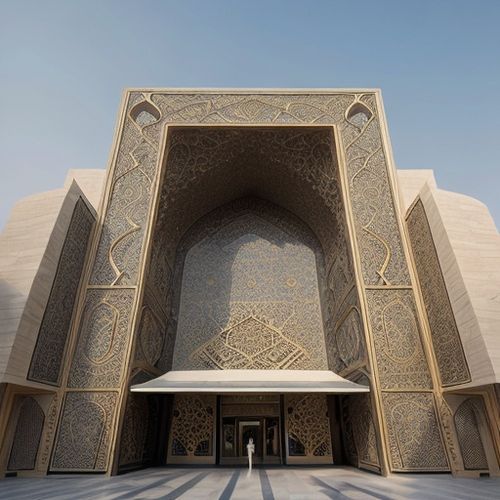
Deciphering the Arabic Calligraphy on the Facade of Dubai's 'Museum of the Future'

By Daniel Scott/Apr 12, 2025

The Museum of the Future in Dubai stands as a breathtaking architectural marvel, not just for its futuristic design but also for its intricate facade adorned with Arabic calligraphy. This masterpiece seamlessly blends tradition with innovation, creating a visual narrative that speaks volumes about the cultural and technological aspirations of the region. The calligraphy, far from being mere decoration, serves as a profound statement about the intersection of heritage and progress.
Arts

Sydney Opera House Shell Roof Lighting System Upgraded to LED

By Emily Johnson/Apr 12, 2025

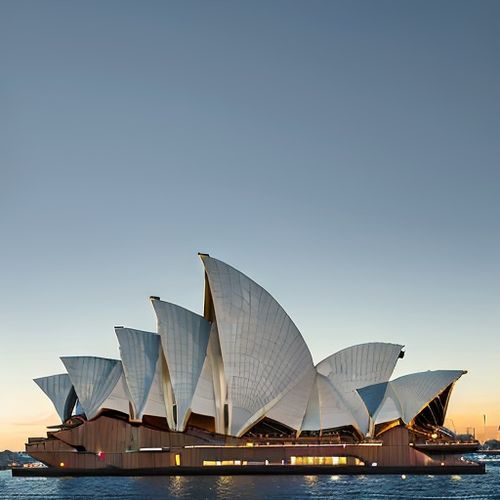
The iconic sails of the Sydney Opera House have undergone a remarkable transformation, as the landmark’s lighting system has been upgraded to energy-efficient LED technology. This ambitious project marks a significant step forward in both sustainability and visual artistry, ensuring that one of the world’s most recognizable architectural masterpieces continues to shine brightly while reducing its environmental footprint.
Arts

Paris' 'Floating Art Island' Delayed Due to Seine River Pollution

By Sarah Davis/Apr 12, 2025

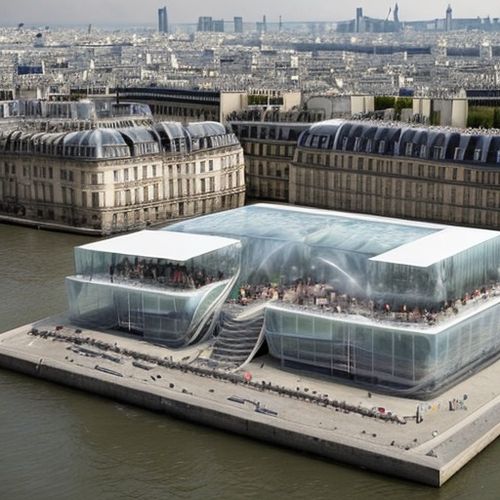
The much-anticipated opening of Paris's groundbreaking "Floating Art Island" has been postponed indefinitely due to alarming pollution levels in the Seine River. This ambitious cultural project, designed to become a new landmark for the French capital, now faces an uncertain timeline as authorities scramble to address water quality concerns that could jeopardize both public safety and artistic installations.
Arts

Rio Slum's Colorful Houses Recognized as Cultural Heritage

By Ryan Martin/Apr 12, 2025

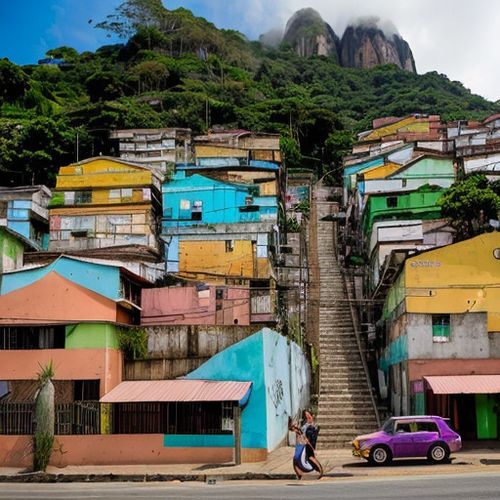
The vibrant hillsides of Rio de Janeiro have long been a symbol of both the city's struggles and its resilience. Among these iconic landscapes, the painted houses of the favelas stand out as a testament to creativity thriving in adversity. Recently, this unique urban artistry achieved global recognition when it was designated as a UNESCO World Heritage Site, marking a historic moment for the communities that call these neighborhoods home.
Arts

New York Subway Mosaics Restoration Plan Costs $20 Million

By Emma Thompson/Apr 12, 2025

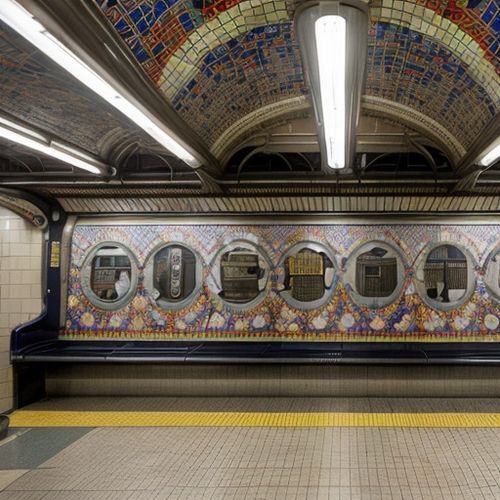
The Metropolitan Transportation Authority (MTA) has unveiled an ambitious $20 million restoration initiative aimed at preserving and revitalizing the iconic mosaics that adorn New York City’s subway stations. These intricate tile artworks, many of which date back to the early 20th century, serve as both historical landmarks and cultural touchstones for millions of daily commuters. The project, which spans several years, seeks to address decades of wear and tear caused by environmental factors, vandalism, and the sheer volume of passengers passing through the system each day.
Arts

Paint Peeling in Berlin Wall Art District: Testing Eco-Friendly New Materials"

By George Bailey/Apr 12, 2025

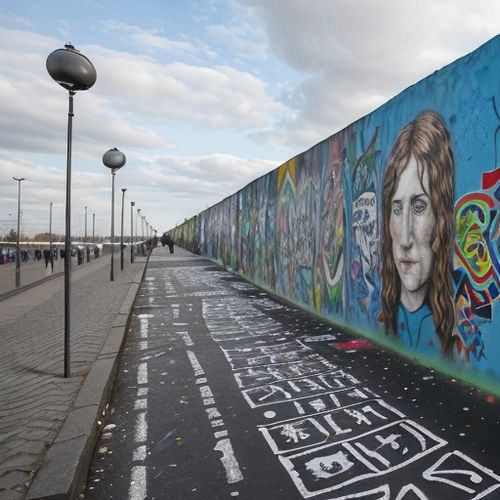
The iconic East Side Gallery in Berlin, a 1.3-kilometer stretch of the Berlin Wall covered in politically charged murals, is facing an unexpected environmental challenge. As the vibrant artworks gradually fade and peel under relentless weather conditions, conservationists have stumbled upon an unusual opportunity – to test cutting-edge eco-friendly protective coatings that could revolutionize urban art preservation worldwide.
Arts

New Light and Shadow Interactive Installations to be Added Around Chicago's Cloud Gate"

By Rebecca Stewart/Apr 12, 2025

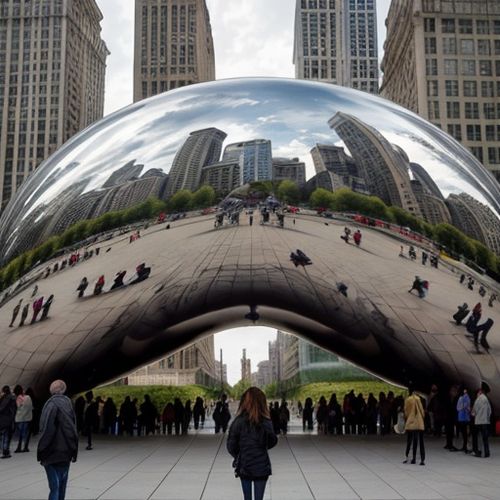
Millennium Park’s most recognizable landmark, Cloud Gate—affectionately known as "The Bean"—is set to become even more mesmerizing. The City of Chicago has announced plans to install a series of cutting-edge light-based interactive artworks around Anish Kapoor’s iconic sculpture. The project, slated for completion by late 2025, aims to transform the surrounding plaza into a dynamic canvas that responds to human movement and environmental changes.
Arts

Ultraviolet Inspection Reveals Over-Intervention in 80% of Art Restorations

By Elizabeth Taylor/Apr 12, 2025

The art conservation world is reeling from a groundbreaking study that utilized ultraviolet light examination to assess restoration work on historical oil paintings. The findings, which have sent tremors through museums and auction houses alike, suggest that a staggering 80% of examined artworks show signs of excessive intervention during previous restoration attempts.
Arts

X-ray Fluorescence Scan Reveals Vermeer's Girl with a Pearl Earring" Underlying Composition

By Samuel Cooper/Apr 12, 2025

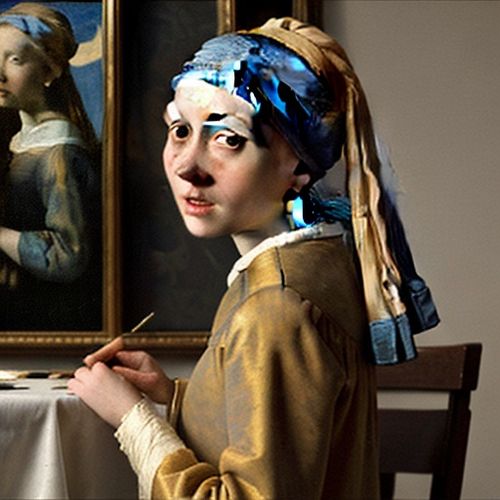
For centuries, Johannes Vermeer's Girl with a Pearl Earring has captivated art lovers with its enigmatic beauty. The subtle play of light, the luminous pearl, and the girl's arresting gaze have made it one of the most celebrated masterpieces of the Dutch Golden Age. Yet, beneath the surface of this iconic painting lies a hidden world—one that modern technology is only now beginning to uncover. Recent advancements in X-ray fluorescence (XRF) scanning have peeled back the layers of time, revealing startling insights into Vermeer's creative process and the secrets buried within the canvas.
Arts

Da Vinci's Aircraft Designs Validated by 3D Modeling

By James Moore/Apr 12, 2025

Five centuries after Leonardo da Vinci sketched his visionary flying machines in notebooks, modern engineers have brought his designs to life through 3D modeling and aerodynamic testing. What emerges isn't just a historical curiosity, but a revelation about how the Renaissance polymath's understanding of flight mechanics—though imperfect—contained flashes of startling prescience.
Arts

Sonar Cleaning Technology Successfully Removes Centuries of Soot from Church Murals

By David Anderson/Apr 12, 2025

The ancient walls of St. Michael’s Cathedral had borne witness to centuries of whispered prayers, flickering candles, and the inevitable accumulation of grime. For over a hundred years, layers of soot and smoke from incense and candles had dulled the vibrant frescoes adorning the chapel’s ceiling, obscuring the intricate brushstrokes of master artists long gone. Then, in a remarkable fusion of art and science, conservators turned to an unconventional solution: sound waves.
Arts

3D Printing Sparks Controversy as Replacement for Missing Baroque Sculpture Parts

By George Bailey/Apr 12, 2025

The art world is no stranger to controversy, but the recent use of 3D printing to replace missing components of Baroque sculptures has sparked particularly heated debates. As museums and restoration experts increasingly turn to digital technologies to address gaps in historical artifacts, questions about authenticity, artistic integrity, and the limits of intervention have come to the forefront. The tension between preservation and innovation has never been more palpable.
Arts

Quantum Computing Cracks Molecular Structures of Renaissance Pigments

By Sarah Davis/Apr 12, 2025

For centuries, the vivid colors adorning Renaissance masterpieces have captivated art historians and scientists alike. The precise molecular structures of these ancient pigments, however, have remained partially shrouded in mystery due to the limitations of conventional analysis techniques. Now, a groundbreaking collaboration between quantum physicists and art conservators is rewriting our understanding of these historical materials.
Arts

Robotic Sculpture Replica of Michelangelo's Slave" Statue

By Benjamin Evans/Apr 12, 2025

The art world has always been a fascinating intersection of creativity and technology, where the past and the future collide in unexpected ways. One such remarkable collision is the robotic replication of Michelangelo’s iconic Slave statues. These unfinished masterpieces, originally intended for the tomb of Pope Julius II, have long been studied for their raw, emotional power and the visible struggle between the stone and the artist’s hand. Now, advanced robotics and precision carving techniques are bringing a new dimension to these works, not by replacing human artistry but by expanding our understanding of Michelangelo’s process.
Arts

British Museum Uses CT Scan to Decode Assyrian Relief Crafting Tools

By Michael Brown/Apr 12, 2025

The British Museum has recently unveiled groundbreaking discoveries about the ancient Assyrian reliefs in its collection, thanks to the innovative use of CT scanning technology. These intricate stone carvings, dating back to the 9th to 7th centuries BCE, have long fascinated historians and archaeologists. However, the tools and techniques employed by Assyrian craftsmen remained shrouded in mystery—until now. By peering beneath the surface of these artifacts, researchers have uncovered secrets that rewrite our understanding of ancient artistry.
Arts

AI Color Matching Algorithm Assists in Restoring Original Colors of Ancient Greek Sculptures

By Victoria Gonzalez/Apr 12, 2025

The once pristine white marble of ancient Greek sculptures has long been a symbol of classical beauty and purity. However, recent advancements in AI-powered color restoration algorithms are challenging this monochromatic perception, revealing a vibrant and polychromatic past that transforms our understanding of ancient art.
Arts

Nanomaterial Restoration of Byzantine Mosaics: Strength Increased by 5 Times

By David Anderson/Apr 12, 2025

The ancient art of Byzantine mosaics, renowned for its intricate beauty and historical significance, has received a groundbreaking boost from modern nanotechnology. A team of conservation scientists has developed a novel nanomaterial treatment that increases the structural strength of these fragile artworks by five times while preserving their original appearance. This advancement could revolutionize how we protect cultural heritage against environmental degradation and human damage.
Arts

Anonymous Buyer Purchases Rothko's No.61" for $120 Million

By David Anderson/Apr 12, 2025

The art world was set abuzz this week when news broke that Mark Rothko’s seminal 1953 painting, No. 61 (Rust and Blue), had been acquired by an anonymous buyer for a staggering $120 million. The sale, conducted through a private transaction brokered by a major auction house, marks one of the most significant deals in recent memory for a postwar abstract masterpiece. While the identity of the collector remains shrouded in secrecy, the purchase has reignited discussions about the soaring valuations of Rothko’s work and the enduring allure of his color-field compositions.
Arts

Carbon Footprint Calculation Included in Art Transportation: Air Freight Costs to Double

By Olivia Reed/Apr 12, 2025

The art world has long grappled with the environmental impact of its practices, but a new reckoning is emerging as carbon footprint calculations begin to reshape the logistics of art transportation. Recent studies reveal that incorporating true carbon costs into shipping expenses could double the price of air freight for artworks, forcing galleries, museums, and collectors to confront uncomfortable truths about the ecological price of global exhibitions.
Arts

AI Valuation System Underestimates Female Artists' Works by 23%

By Rebecca Stewart/Apr 12, 2025

The art world has long struggled with gender disparities, but a new threat has emerged from an unexpected quarter – artificial intelligence. Recent studies reveal that AI-powered valuation systems systematically undervalue works by female artists by an average of 23%, perpetuating and potentially exacerbating existing inequalities in the art market.