Japan, a country frequently struck by earthquakes, has long been a pioneer in developing innovative solutions to mitigate the damage caused by seismic activity. Among these solutions, furniture fixing hooks have emerged as a crucial tool in ensuring household safety. These unassuming devices play a significant role in preventing injuries and property damage during tremors, reflecting Japan’s meticulous approach to disaster preparedness.
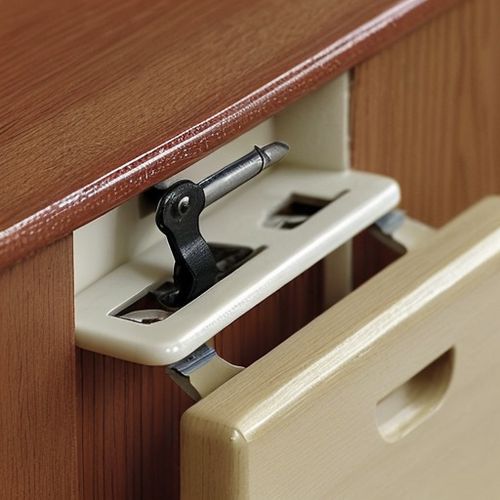
The concept of securing furniture to walls or floors is not new, but the Japanese have refined it to an art form. Furniture fixing hooks, often made from durable materials like steel or reinforced plastic, are designed to withstand the violent shaking of an earthquake. They are typically installed on large or heavy items such as bookshelves, cabinets, and televisions, which could otherwise topple and cause harm. The simplicity of these hooks belies their effectiveness, as they can mean the difference between a minor inconvenience and a life-threatening situation.
Why are these hooks so important in Japan? The answer lies in the country’s unique geographical and geological circumstances. Situated along the Pacific Ring of Fire, Japan experiences thousands of earthquakes each year, many of which are strong enough to be felt. Historical disasters, such as the Great Hanshin Earthquake of 1995 and the Tohoku Earthquake of 2011, have underscored the need for proactive measures. In the aftermath of these events, public awareness about securing furniture skyrocketed, leading to widespread adoption of fixing hooks and other safety devices.
The design of these hooks varies depending on the type of furniture and the structure of the building. For instance, L-shaped brackets are commonly used for bookshelves, while straps with adjustable lengths are preferred for taller items like wardrobes. Some advanced models even incorporate mechanisms that allow for slight movement during a quake, reducing the strain on both the furniture and the hook itself. This attention to detail ensures that the hooks remain functional even under extreme conditions.
Installation is straightforward, but it requires precision. Homeowners are advised to follow manufacturer guidelines or seek professional assistance to ensure the hooks are anchored securely. The placement of the hooks is equally critical; they must be attached to load-bearing walls or studs to provide maximum stability. In recent years, DIY tutorials and government-sponsored campaigns have made it easier for residents to learn proper installation techniques, further enhancing the effectiveness of these devices.
Beyond their practical benefits, furniture fixing hooks also serve as a psychological reassurance. Knowing that their belongings are secured allows residents to focus on other aspects of earthquake preparedness, such as emergency kits and evacuation plans. This holistic approach to safety is a hallmark of Japanese culture, where community resilience is prioritized. Schools and workplaces often conduct regular drills, and the use of fixing hooks is frequently emphasized during these sessions.
The market for earthquake-resistant products has grown significantly, with furniture fixing hooks being just one example of Japan’s innovative spirit. Companies continually refine their designs, incorporating feedback from real-world scenarios to improve durability and ease of use. Some newer models feature quick-release mechanisms, enabling homeowners to temporarily remove the hooks for cleaning or rearranging furniture without compromising safety.
While these hooks are highly effective, they are not a standalone solution. Experts recommend combining them with other measures, such as anti-slip pads for smaller items and shatterproof film for glass surfaces. The goal is to create a comprehensive safety net that addresses all potential hazards during an earthquake. This multi-layered strategy has proven successful in reducing casualties and damage, making Japan a global leader in disaster mitigation.
Internationally, the adoption of furniture fixing hooks has been slower, but awareness is gradually increasing. Countries with high seismic activity, such as Chile and New Zealand, have begun to promote similar practices. However, Japan’s extensive experience and rigorous standards set a benchmark that others aspire to meet. The humble furniture fixing hook, though small, embodies a larger philosophy of preparedness and resilience that transcends borders.
In conclusion, Japan’s furniture fixing hooks are a testament to the country’s commitment to safety and innovation. These devices, though simple, save lives and protect property in the face of nature’s unpredictability. As earthquakes continue to pose a threat worldwide, the lessons learned from Japan’s approach offer valuable insights for other nations striving to safeguard their citizens. The next time you feel a tremor, it’s worth remembering that sometimes, the smallest precautions make the biggest difference.

By Victoria Gonzalez/Apr 14, 2025

By Sophia Lewis/Apr 14, 2025

By Laura Wilson/Apr 14, 2025
By William Miller/Apr 14, 2025
By Victoria Gonzalez/Apr 14, 2025

By Natalie Campbell/Apr 14, 2025

By Benjamin Evans/Apr 14, 2025
By George Bailey/Apr 14, 2025

By Amanda Phillips/Apr 14, 2025

By Joshua Howard/Apr 14, 2025

By Emily Johnson/Apr 14, 2025

By Victoria Gonzalez/Apr 14, 2025
By Grace Cox/Apr 14, 2025

By Christopher Harris/Apr 14, 2025

By David Anderson/Apr 14, 2025

By Grace Cox/Apr 14, 2025

By Thomas Roberts/Apr 14, 2025
By Olivia Reed/Apr 14, 2025

By William Miller/Apr 14, 2025

By Grace Cox/Apr 14, 2025