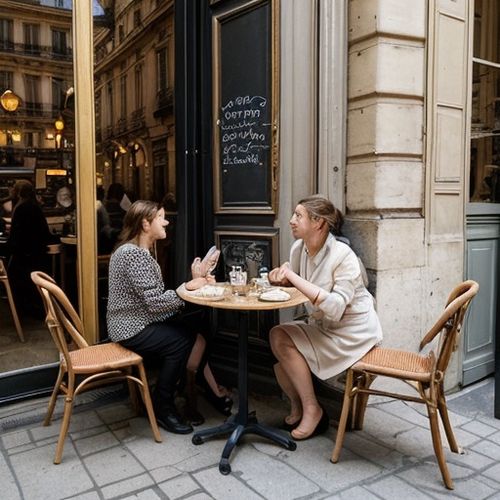
In the heart of Paris, a new culinary trend is quietly rewriting the rules of dining etiquette. The emergence of pet-friendly restaurants across France has sparked both enthusiasm and debate among gourmands and animal lovers alike. What began as a handful of experimental cafes welcoming four-legged companions has evolved into a full-fledged movement, complete with its own certification system that promises to standardize the experience for humans and animals alike.
The French Ministry of Agriculture, in collaboration with veterinary associations and hospitality groups, recently unveiled the official Pet Restaurant Access Certification program. This distinctive blue-and-gold paw print logo now adorns the entrances of establishments that meet stringent criteria for animal welfare, hygiene, and customer comfort. Unlike casual pet tolerance policies seen elsewhere, France's approach establishes clear operational guidelines that address everything from specialized menu options to noise control measures.
Behind this initiative lies France's unique cultural relationship with companion animals. Parisians famously dote on their dogs, with an estimated 300,000 canines residing in the capital. Traditional bakeries have long kept jars of dog treats by the register, while upscale department stores provide water stations. The natural progression toward formalized dining accommodations reflects how pets have become integral to urban French lifestyles. Restaurant owners report that certified establishments see increased patronage from both local regulars and international tourists seeking inclusive experiences.
Obtaining certification requires passing multiple inspections covering facility adaptations and staff training. Mandatory elements include separate food preparation areas for animal meals, non-slip flooring, and soundproofed spaces for anxious pets. Perhaps most controversially, certified venues must limit animal occupancy to 15% of human seating capacity - a regulation that has caused lengthy waitlists at popular locations. The health code revisions specifically address cross-contamination risks, requiring pet dining areas to follow medical-grade sanitation protocols between seatings.
Menu innovation forms another fascinating aspect of this trend. Leading the charge are chefs who've trained in animal nutrition, creating dishes that mirror human offerings in presentation while meeting veterinary dietary standards. At Le Canine Royale, a pioneer in the movement, dogs dine on sous-vide beef tenderloin with pureed pumpkin, while cats can enjoy salmon tartare with catnip garnish. The restaurant's sommelier even suggests pairing options from their selection of bone broth "wines" served in spill-proof carafes. Such attention to detail comes at a premium, with pet tasting menus reaching €50 at luxury establishments.
Critics argue the trend exemplifies urban excess, pointing to incidents like the much-publicized "poodle party" that disrupted service at a Michelin-starred bistro. Others question whether animals truly benefit from restaurant environments. In response, certification advocates highlight the program's behavioral standards, which prohibit stressed or aggressive animals from remaining in dining areas. Many venues now employ on-call animal behaviorists to assist with compatibility assessments.
The economic implications continue unfolding as international hospitality groups study the model. Early data suggests pet-accommodating restaurants achieve 22% higher average check totals, as human customers linger longer and order additional courses. Hoteliers report increased bookings from travelers who previously avoided destinations due to pet care limitations. Perhaps most tellingly, imitation certification programs have begun appearing in major cities from Tokyo to Toronto, though none yet match France's comprehensive standards.
As the evening service begins at La Maison des Chats, the careful choreography of this new dining paradigm becomes visible. A hostess seats a British couple and their spaniel at a specially designed banquette with integrated water bowl. Across the room, a Parisian socialite's teacup poodle samples petit fours from a porcelain dish. The kitchen hums with activity, its separate prep stations ensuring no crossover between species. Outside, the glowing certification emblem signals more than permission - it promises an experience where every member of the family, regardless of species, can savor the legendary French art de vivre.
By Victoria Gonzalez/Apr 14, 2025

By Sophia Lewis/Apr 14, 2025

By Laura Wilson/Apr 14, 2025
By William Miller/Apr 14, 2025

By Victoria Gonzalez/Apr 14, 2025

By Natalie Campbell/Apr 14, 2025

By Benjamin Evans/Apr 14, 2025

By George Bailey/Apr 14, 2025

By Amanda Phillips/Apr 14, 2025

By Joshua Howard/Apr 14, 2025

By Emily Johnson/Apr 14, 2025

By Victoria Gonzalez/Apr 14, 2025

By Grace Cox/Apr 14, 2025

By Christopher Harris/Apr 14, 2025

By David Anderson/Apr 14, 2025

By Grace Cox/Apr 14, 2025

By Thomas Roberts/Apr 14, 2025
By Olivia Reed/Apr 14, 2025

By William Miller/Apr 14, 2025

By Grace Cox/Apr 14, 2025