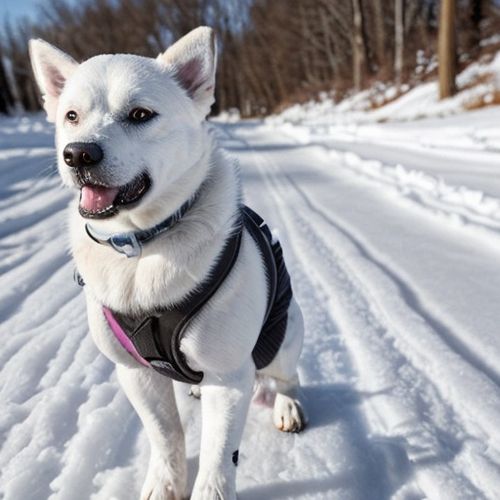
As winter blankets Canada in snow and ice, pet owners face the annual challenge of protecting their dogs from the harsh elements. While most focus on coats and booties, one often-overlooked product has been gaining attention among veterinarians and outdoor enthusiasts alike: winter paw balms. These specialized ointments create a protective barrier against snow, ice, and road salts that can cause painful cracking and frostbite on canine paws.
The science behind these balms reveals why they're becoming essential winter gear. Unlike human skin, dog paws contain fatty tissue that becomes brittle in cold temperatures. When exposed to repeated freeze-thaw cycles and chemical de-icers, the paw pads develop microscopic cracks that deepen with each walk. Premium Canadian-made balms typically combine food-grade waxes with natural emollients like shea butter and hempseed oil to maintain paw flexibility while repelling moisture.
Veterinary dermatologist Dr. Sarah Chen from the University of Guelph explains: "What makes the Canadian formulations unique is their adaptation to extreme temperature ranges. The balms must remain pliable at -30°C while not melting at indoor temperatures. Many contain boreal forest ingredients like tamarack sap that evolved to protect trees from winter damage." This ecological approach resonates with environmentally conscious pet owners who prefer biodegradable products that won't harm urban ecosystems when paws touch ground.
Application techniques prove just as crucial as the formula itself. Experienced dog trainers recommend warming the balm between fingers before massaging it into every paw crevice, paying special attention to the spaces between toes where ice balls form. The treatment should be applied 15 minutes before walks to allow proper absorption, then gently wiped after returning indoors. Some owners in particularly harsh climates like Yellowknife layer the balm under breathable dog boots for extended outdoor adventures.
Consumer trends show particular interest in balms with natural healing properties. Products infused with calendula or plantain help soothe existing cracks, while those containing beeswax create thicker barriers for dogs that pull sleds or work search-and-rescue in snowy conditions. The growing market has led to specialized formulations - some for urban dogs exposed to road salts, others for rural pets encountering frozen fields and forests.
Beyond physical protection, these balms serve an unexpected behavioral purpose. Many dogs resist wearing boots due to restricted movement, but properly applied balms allow natural paw flexibility while preventing the "tiptoe dance" dogs perform when their paws get too cold. This makes winter walks more enjoyable for pets and owners alike, encouraging necessary exercise during months when dogs might otherwise become sedentary.
Canadian manufacturers face unique formulation challenges. The balms must remain effective during sudden temperature swings common in provinces like Alberta, where mornings might start at -15°C and afternoons reach above freezing. Some companies now incorporate temperature-responsive polymers originally developed for industrial applications, creating "smart" balms that adjust their protective qualities as conditions change.
Environmental concerns have sparked innovation in packaging as well. Leading brands now use recycled materials or offer refill stations at pet stores to reduce waste. The most eco-conscious formulas avoid petroleum derivatives entirely, relying instead on carnauba wax and Canadian-sourced sunflower oil. These developments align with the values of many Canadian pet owners who prioritize sustainability in all aspects of pet care.
As climate change alters winter patterns across Canada, paw care recommendations evolve accordingly. Warmer days followed by sudden deep freezes create more ice-melt cycles that stress paw tissue. Veterinarians now advise starting paw protection regimens earlier in autumn and continuing later into spring than previously recommended. Some clinics in coastal cities like Vancouver have even begun stocking paw balms year-round to address salt exposure from ocean breezes.
The cultural significance of these products extends beyond practical use. For many Canadian dog owners, the ritual of applying paw balm has become a bonding experience - a moment of care before braving the elements together. As one Montreal husky owner noted: "When I kneel to rub the balm on her paws, she knows adventure is coming. It's our version of lacing up winter boots." This emotional connection explains why premium paw balms have become popular gift items at holiday pet expos across the country.
Looking ahead, researchers are exploring how winter paw care principles could apply to other species. Wildlife rehabilitation centers already adapt similar products for injured animals like foxes and coyotes during release preparations. Meanwhile, the technology behind temperature-responsive balms may find applications in human footwear for extreme environments. What began as a niche product for Canadian dog lovers has grown into an innovative field at the intersection of veterinary science and outdoor gear technology.
By Victoria Gonzalez/Apr 14, 2025

By Sophia Lewis/Apr 14, 2025

By Laura Wilson/Apr 14, 2025

By William Miller/Apr 14, 2025

By Victoria Gonzalez/Apr 14, 2025

By Natalie Campbell/Apr 14, 2025

By Benjamin Evans/Apr 14, 2025

By George Bailey/Apr 14, 2025

By Amanda Phillips/Apr 14, 2025

By Joshua Howard/Apr 14, 2025

By Emily Johnson/Apr 14, 2025
By Victoria Gonzalez/Apr 14, 2025

By Grace Cox/Apr 14, 2025

By Christopher Harris/Apr 14, 2025
By David Anderson/Apr 14, 2025

By Grace Cox/Apr 14, 2025

By Thomas Roberts/Apr 14, 2025

By Olivia Reed/Apr 14, 2025
By William Miller/Apr 14, 2025

By Grace Cox/Apr 14, 2025