As environmental consciousness grows worldwide, Germany has emerged as a pioneer in sustainable pet aftercare solutions. The country's pet funeral industry has evolved far beyond traditional burial and cremation, offering eco-conscious pet owners a range of innovative options that minimize environmental impact while honoring animal companions.
The German approach to eco-friendly pet memorials reflects the nation's broader commitment to environmental stewardship. Specialized pet cemeteries across the country now provide biodegradable urns made from materials like recycled paper, sand, or even plant fibers that dissolve in water. These containers break down naturally when buried, allowing the ashes to return to the earth without leaving permanent traces.
Water cremation, known scientifically as alkaline hydrolysis, has gained significant traction in German pet funeral homes. This process uses water and potassium hydroxide to accelerate natural decomposition at low temperatures, consuming about 90% less energy than traditional flame cremation. The resulting liquid byproduct is sterile and can be safely returned to the water cycle, while the remaining bone ash can be returned to families in eco-friendly urns.
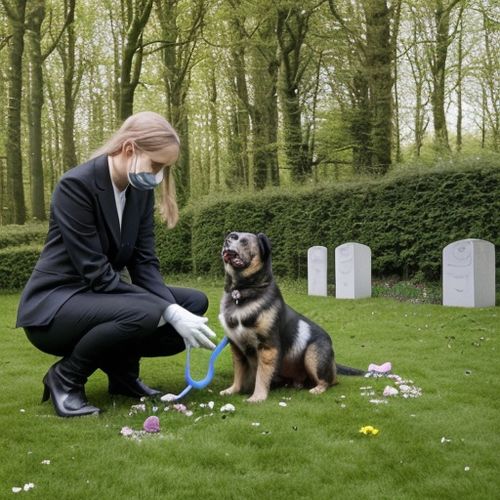
For those preferring burial, Germany offers dedicated natural pet burial grounds where animals are interred without embalming chemicals in biodegradable caskets made from willow, bamboo, or untreated wood. These green burial sites often double as memorial gardens, with native plants and trees marking resting places instead of traditional headstones. Some innovative facilities have even created "living memorials" where a tree is planted using the pet's ashes as nutrients.
The concept of recomposition has recently entered the German pet funeral market, though it remains less common than other methods. This accelerated decomposition process transforms pet remains into nutrient-rich soil over several weeks. The resulting compost can be used to nourish memorial gardens or returned to families for personal use, creating a tangible cycle of life that many grieving owners find comforting.
German pet funeral providers have also developed creative solutions for memorialization that avoid resource-intensive practices. Digital memorial platforms allow owners to create online tributes, while local artisans craft memorial jewelry from sustainable materials like recycled glass or wood. Some companies even transform pet ashes into synthetic diamonds through carbon extraction processes, though this remains controversial among environmental purists.
Regulation plays a crucial role in Germany's eco-friendly pet aftercare industry. Strict environmental laws govern all disposal methods, and providers must meet rigorous sustainability standards to offer "green" services. This regulatory framework has encouraged continuous innovation while protecting consumers from greenwashing practices. Many German pet funeral homes now publish detailed environmental impact statements for each service option.
The cultural shift toward sustainable pet memorials reflects deeper changes in how Germans view their relationship with both animals and the environment. Pet bereavement counselors report that eco-conscious options help many owners process grief by creating meaningful connections between their pet's memory and environmental values. This psychological benefit, combined with genuine ecological advantages, suggests Germany's model may influence pet aftercare trends worldwide as environmental concerns grow.
While costs for green pet funeral options in Germany typically run higher than conventional methods, demand continues to rise among environmentally aware pet owners. The industry has responded with scalable solutions at various price points, from simple biodegradable urns to comprehensive natural burial packages. This accessibility, combined with Germany's reputation for environmental innovation, positions the country as a global leader in sustainable pet memorial practices.

By Victoria Gonzalez/Apr 14, 2025

By Sophia Lewis/Apr 14, 2025

By Laura Wilson/Apr 14, 2025

By William Miller/Apr 14, 2025

By Victoria Gonzalez/Apr 14, 2025

By Natalie Campbell/Apr 14, 2025

By Benjamin Evans/Apr 14, 2025

By George Bailey/Apr 14, 2025

By Amanda Phillips/Apr 14, 2025

By Joshua Howard/Apr 14, 2025
By Emily Johnson/Apr 14, 2025

By Victoria Gonzalez/Apr 14, 2025

By Grace Cox/Apr 14, 2025

By Christopher Harris/Apr 14, 2025

By David Anderson/Apr 14, 2025

By Grace Cox/Apr 14, 2025

By Thomas Roberts/Apr 14, 2025
By Olivia Reed/Apr 14, 2025

By William Miller/Apr 14, 2025
By Grace Cox/Apr 14, 2025