The threat of hurricanes looms large over Florida, a state that has weathered some of the most devastating storms in U.S. history. As climate change intensifies, the frequency and severity of these natural disasters are expected to rise, making hurricane preparedness more critical than ever. One of the most vulnerable areas of any home during a storm is the outdoor space—yards, gardens, and patios that can become projectiles or flood zones if not properly secured. Floridians have learned to adapt, creating hurricane-resistant landscapes that blend functionality with aesthetics.
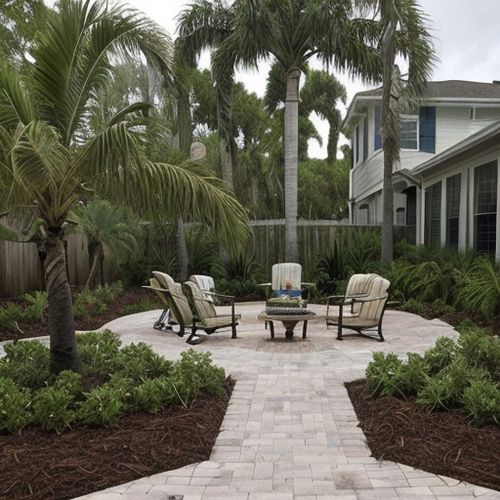
The concept of a hurricane-resistant yard is not just about survival; it’s about smart design. Traditional landscaping often features large trees, decorative rocks, and lightweight furniture, all of which can turn dangerous in high winds. In contrast, a hurricane-proof yard prioritizes native plants with deep root systems, permeable surfaces to reduce flooding, and sturdy, anchored structures. These choices not only minimize damage but also help the environment by promoting water absorption and reducing erosion.
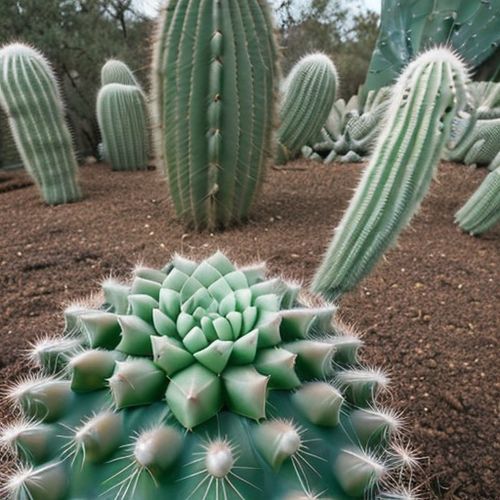
Native plants are the backbone of a hurricane-resistant landscape. Species like saw palmetto, coontie, and muhly grass are not only adapted to Florida’s climate but also possess the resilience to withstand hurricane-force winds. Their deep roots stabilize the soil, preventing erosion during heavy rains, while their flexible stems bend without breaking. Unlike exotic ornamentals, which often require excessive watering and care, native plants thrive with minimal intervention, making them a practical and eco-friendly choice.
Hardscaping—the use of non-living elements like stone, concrete, and gravel—plays a pivotal role in hurricane-proof yards. Lightweight materials such as mulch or small gravel can easily become airborne during a storm, posing a threat to windows and structures. Instead, homeowners are opting for heavier materials like crushed shell or large pavers that stay in place even under duress. Permeable paving systems are particularly effective, allowing rainwater to seep into the ground rather than pooling and contributing to flooding.
Water management is another critical consideration. Florida’s flat terrain and high water table make it prone to flooding, especially during hurricanes. Rain gardens, swales, and dry creek beds are increasingly popular features in hurricane-resistant yards. These elements direct water away from homes and into designated drainage areas, reducing the risk of foundation damage. Coupled with proper grading, they ensure that stormwater is efficiently channeled, protecting both the property and the surrounding ecosystem.
Outdoor structures, from pergolas to sheds, must be engineered to endure extreme weather. Lightweight aluminum or vinyl constructions are often replaced with heavy-duty materials like pressure-treated wood or reinforced concrete. Anchoring systems, such as ground screws or concrete footings, are essential to prevent these structures from being uprooted. Even small details matter—for example, choosing hurricane-rated screws instead of nails can make the difference between a standing patio cover and one that ends up in a neighbor’s yard.
The psychological impact of a well-designed hurricane-resistant yard should not be underestimated. For many Floridians, the aftermath of a storm is a time of stress and uncertainty. A landscape that remains intact provides a sense of stability and normalcy amid chaos. Moreover, the knowledge that their outdoor space is prepared for the worst allows homeowners to focus on other aspects of hurricane preparedness, such as securing their homes or evacuating if necessary.
Community efforts have also played a significant role in promoting hurricane-resistant landscaping. Local governments and nonprofit organizations often offer workshops, rebates, and even free plants to encourage residents to adopt storm-proof practices. Neighborhoods that collectively implement these measures benefit from reduced wind speeds and shared drainage solutions, proving that resilience is often a collective endeavor.
Despite the advancements in hurricane-resistant design, challenges remain. Many homeowners are unaware of the risks posed by traditional landscaping or hesitate to invest in changes due to perceived costs. However, the long-term savings—both financial and emotional—far outweigh the initial investment. A single hurricane can cause thousands of dollars in damage, much of which could be mitigated with thoughtful yard design.
As Florida continues to grapple with the realities of climate change, the hurricane-resistant yard is no longer a luxury but a necessity. It represents a harmonious balance between human ingenuity and nature’s power, a testament to the resilience of both the land and its people. By embracing these principles, Floridians can protect their homes, their environment, and their peace of mind in the face of an uncertain future.

By Victoria Gonzalez/Apr 14, 2025

By Sophia Lewis/Apr 14, 2025

By Laura Wilson/Apr 14, 2025
By William Miller/Apr 14, 2025
By Victoria Gonzalez/Apr 14, 2025
By Natalie Campbell/Apr 14, 2025

By Benjamin Evans/Apr 14, 2025
By George Bailey/Apr 14, 2025

By Amanda Phillips/Apr 14, 2025
By Joshua Howard/Apr 14, 2025
By Emily Johnson/Apr 14, 2025
By Victoria Gonzalez/Apr 14, 2025
By Grace Cox/Apr 14, 2025
By Christopher Harris/Apr 14, 2025
By David Anderson/Apr 14, 2025

By Grace Cox/Apr 14, 2025
By Thomas Roberts/Apr 14, 2025

By Olivia Reed/Apr 14, 2025

By William Miller/Apr 14, 2025

By Grace Cox/Apr 14, 2025