Australian Invasive Plant Removal List

Apr 14, 2025 By Victoria Gonzalez

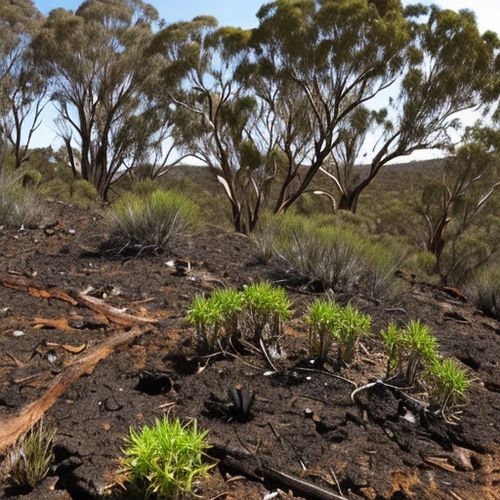
The Australian landscape, renowned for its unique biodiversity, faces an ongoing threat from invasive plant species. These unwelcome botanical invaders disrupt native ecosystems, outcompete local flora, and alter fire regimes across the continent. Land managers and environmental organizations maintain detailed removal lists targeting these problematic species, with eradication efforts varying from suburban backyards to vast wilderness areas.


Among the most notorious invaders is lantana (Lantana camara), a deceptively attractive shrub with clusters of multicolored flowers. Originally introduced as an ornamental plant in the 19th century, it now smothers native vegetation across eastern Australia. The plant's toxic leaves deter herbivores while its dense thickets create fire hazards and provide shelter for feral animals. Removal requires persistent effort – cutting alone proves ineffective as the plant resprouts vigorously, demanding follow-up herbicide treatment of stumps.


Blackberry (Rubus fruticosus agg.) represents another formidable adversary, particularly in temperate regions. European settlers introduced this thorny menace for fruit production, unaware it would eventually infest over 8 million hectares. Its sprawling canes form impenetrable barriers that prevent native seedling establishment while altering watercourse dynamics. Effective control combines mechanical removal with carefully timed herbicide application during flowering, though complete eradication often requires years of follow-up treatment.


The story of prickly pear (Opuntia spp.) serves as both cautionary tale and success story. These cactus species, introduced in the 1800s as living fences and cattle feed, eventually rendered 26 million hectares of Queensland and New South Wales unusable by the 1920s. The introduction of Cactoblastis moths as biological control agents achieved what mechanical and chemical methods couldn't, demonstrating the potential of integrated pest management strategies when addressing widespread infestations.


Water systems face their own invaders, with water hyacinth (Eichhornia crassipes) choking vital waterways. This floating plant multiplies alarmingly, forming dense mats that reduce oxygen levels and block sunlight, devastating aquatic ecosystems. Manual removal provides temporary relief but fails to address the underlying issue – each fragmented plant can regenerate, making containment efforts extraordinarily labor-intensive. Biological controls using specific weevils have shown promise in northern territories where the plant thrives in tropical conditions.


Urban environments contend with different invaders, particularly along roadsides and disturbed areas. Paterson's curse (Echium plantagineum) paints paddocks purple each spring while poisoning livestock and displacing native wildflowers. Its prolific seed production (up to 30,000 seeds per plant) ensures persistent soil seed banks that may remain viable for over five years. Successful management combines strategic grazing, herbicide application, and the introduction of competitive pasture species to prevent reinfestation.


Climate change complicates eradication efforts as shifting temperature and rainfall patterns allow some invaders to expand their range. Madeira vine (Anredera cordifolia), for instance, finds new territories opening as frost lines retreat. This climbing succulent smothers canopy trees, its weight causing branch collapse while underground tubers resist conventional removal methods. Heat-treated mulch made from removed vines shows promise as an innovative control technique that prevents resprouting while recycling biomass.


Traditional removal methods evolve alongside scientific understanding. Where once the approach focused solely on chemical controls, contemporary integrated weed management emphasizes prevention, early detection, and ecological restoration. The "dirty dozen" lists maintained by regional councils prioritize species based on invasiveness and feasibility of control, recognizing that complete eradication of widespread species may prove unrealistic. Instead, containment and impact reduction become primary objectives for well-established invaders.


Community involvement proves critical in detection and removal efforts. Citizen science programs train volunteers to identify emerging threats like African lovegrass (Eragrostis curvula) before they become entrenched. Landcare groups organize working bees to tackle local infestations, combining manual removal with native revegetation. This grassroots approach not only addresses the immediate problem but fosters long-term environmental stewardship among participants.


Legislation supports these efforts through biosecurity laws that restrict the sale and movement of known invasive species. State-specific noxious weed lists mandate control measures for landowners, with penalties for non-compliance. However, enforcement remains challenging, particularly when dealing with ornamental plants that still find their way into suburban gardens through online plant trading networks.


The economic impact of invasive plants justifies these extensive control measures. Estimates suggest invasive species cost Australian agriculture over $4 billion annually through lost productivity and control expenses. Environmental costs prove harder to quantify but no less significant – altered fire regimes, soil degradation, and biodiversity loss create cascading effects throughout ecosystems.


Emerging technologies offer new hope in this ongoing battle. Drones equipped with multispectral cameras detect early infestations in remote areas, while genetic research explores potential biocontrol solutions. Soil sterilization techniques using solarization show promise for treating seed banks in localized areas, particularly for annual invaders that rely on persistent soil-stored seeds.


Successful removal requires understanding each species' life cycle and vulnerabilities. Morning glory (Ipomoea spp.) demands pre-flowering intervention to prevent seed set, whereas woody weeds like boneseed (Chrysanthemoides monilifera) require stem injection during active growth periods. Regional differences in climate and soil types further complicate timing and method selection, necessitating localized knowledge for effective control.


The future of invasive plant management in Australia lies in adaptive strategies that combine traditional knowledge with scientific innovation. Aboriginal land management practices, particularly the use of controlled burning, show potential for managing certain fire-adapted weeds. Meanwhile, research continues into allelopathic native species that might suppress invaders through natural chemical interactions.


Ultimately, protecting Australia's unique ecosystems from botanical invaders requires sustained effort, adequate funding, and community engagement. While complete eradication of established species remains unlikely for many invaders, strategic management can minimize their ecological impact and prevent new introductions. The national weed removal lists serve not just as guides for action, but as reminders of the delicate balance within Australia's extraordinary natural environments.


Recommend Posts
Life

European Herbal Tea Drinking Taboos

By Victoria Gonzalez/Apr 14, 2025

The world of European herbal infusions is as rich in history as it is in flavor. For centuries, communities across the continent have turned to chamomile meadows, peppermint patches, and elderflower bushes not just for refreshment, but for their perceived medicinal properties. Yet beneath the steaming surface of these fragrant brews lies a complex tapestry of contraindications that modern consumers would do well to understand.
Life

Purchase of Over-the-Counter Medications in the United States

By Sophia Lewis/Apr 14, 2025

The American over-the-counter (OTC) medication market represents a fascinating intersection of consumer healthcare, regulatory oversight, and cultural attitudes toward self-treatment. Unlike many countries where even basic pain relievers require a pharmacist's approval, the U.S. maintains a remarkably open system that places trust in consumers to make informed decisions about their health. This approach has shaped not only pharmacy shelves but also how Americans perceive and manage minor ailments.
Life

Japanese Pharmacy Store Classification Signs

By Laura Wilson/Apr 14, 2025

Walking into a Japanese drugstore for the first time can feel like stepping into a labyrinth of colorful packaging and unfamiliar kanji characters. The sheer variety of products crammed into these compact stores overwhelms even seasoned shoppers. What appears chaotic at first glance, however, follows a meticulously organized system of categorization that reflects Japanese consumer culture's precision and practicality.
Life

Japanese Earthquake Furniture Anchor Hooks

By William Miller/Apr 14, 2025

Japan, a country frequently struck by earthquakes, has long been a pioneer in developing innovative solutions to mitigate the damage caused by seismic activity. Among these solutions, furniture fixing hooks have emerged as a crucial tool in ensuring household safety. These unassuming devices play a significant role in preventing injuries and property damage during tremors, reflecting Japan’s meticulous approach to disaster preparedness.
Life

Register for the U.S. Community Alert System

By Victoria Gonzalez/Apr 14, 2025

The United States community alert system represents a critical infrastructure designed to keep citizens informed and safe during emergencies. From natural disasters to public safety threats, these notification networks serve as lifelines for millions of Americans. While many residents assume emergency alerts will reach them automatically, the reality is more nuanced. Registration often proves necessary to ensure you receive timely warnings tailored to your specific location and needs.
Life

Building Kiwifruit Trellises in New Zealand

By Natalie Campbell/Apr 14, 2025

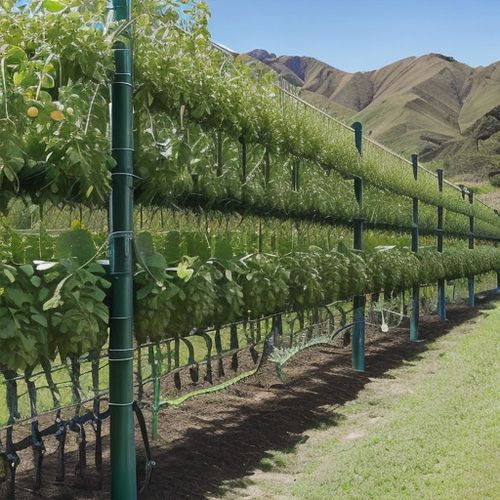
The art of building kiwifruit trellises in New Zealand is a practice refined over decades, blending agricultural expertise with innovative engineering. As one of the world’s leading producers of kiwifruit, New Zealand’s approach to trellising is both a science and a craft, ensuring optimal growth conditions for the vines while maximizing yield and fruit quality. The process is far more than just erecting posts and wires—it’s about creating a sustainable structure that can withstand harsh weather, support heavy fruiting loads, and facilitate efficient orchard management.
Life

Soil Improvement in Swiss Alpine Gardens

By Benjamin Evans/Apr 14, 2025

The Swiss Alpine gardens, renowned for their breathtaking beauty and unique biodiversity, face significant challenges due to the harsh mountainous environment. The thin, rocky soils and extreme weather conditions make it difficult for plants to thrive. Over the years, Swiss horticulturists and environmental scientists have developed innovative soil improvement techniques to transform these barren landscapes into flourishing gardens. These efforts not only enhance the aesthetic appeal but also contribute to the conservation of rare alpine flora.
Life

Florida Hurricane-Resistant Yards

By George Bailey/Apr 14, 2025

The threat of hurricanes looms large over Florida, a state that has weathered some of the most devastating storms in U.S. history. As climate change intensifies, the frequency and severity of these natural disasters are expected to rise, making hurricane preparedness more critical than ever. One of the most vulnerable areas of any home during a storm is the outdoor space—yards, gardens, and patios that can become projectiles or flood zones if not properly secured. Floridians have learned to adapt, creating hurricane-resistant landscapes that blend functionality with aesthetics.
Life

Storage of Dutch Tulip Bulbs

By Amanda Phillips/Apr 14, 2025

The Netherlands, often referred to as the "flower shop of the world," has long been synonymous with tulips. These vibrant blooms, however, begin their journey long before they grace the fields or florists' shelves. The process of tulip bulb storage is a meticulous and scientifically refined practice that ensures the bulbs remain viable from harvest to planting. Dutch growers have perfected this art over centuries, combining traditional knowledge with modern technology to maintain the quality and health of their bulbs.
Life

Canadian Deer Repellent Plant Cultivation

By Joshua Howard/Apr 14, 2025

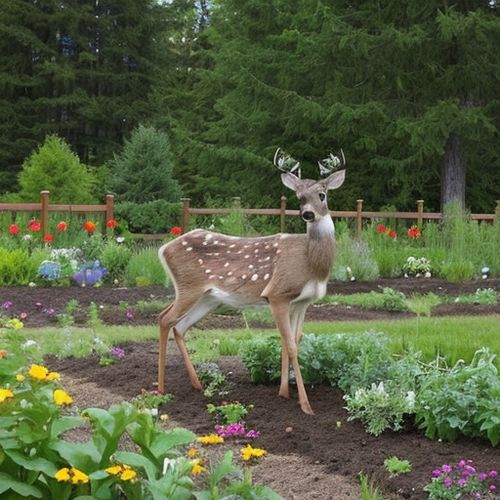
Gardening in Canada comes with its unique set of challenges, one of which is the persistent presence of deer. These graceful yet voracious creatures can decimate a carefully cultivated garden in a matter of hours. For many Canadian gardeners, finding effective ways to protect their plants without resorting to harmful chemicals or unsightly fencing has become a priority. This has led to a growing interest in deer-repellent planting—a strategy that combines horticultural knowledge with an understanding of deer behavior.
Life

Choosing Grape Trellis Orientation in France

By Emily Johnson/Apr 14, 2025

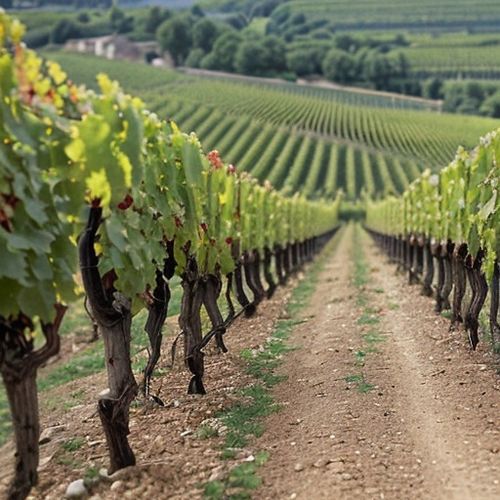
The orientation of grapevine rows in French vineyards is a topic that goes far beyond mere aesthetics or tradition. It’s a decision rooted in centuries of viticultural wisdom, climatic adaptation, and the relentless pursuit of quality. French winemakers have long understood that the direction in which vines face can dramatically influence the character of the wine, from the ripening of the grapes to the management of diseases. This subtle yet critical choice speaks volumes about the interplay between nature and human ingenuity.
Life

Australian Invasive Plant Removal List

By Victoria Gonzalez/Apr 14, 2025

The Australian landscape, renowned for its unique biodiversity, faces an ongoing threat from invasive plant species. These unwelcome botanical invaders disrupt native ecosystems, outcompete local flora, and alter fire regimes across the continent. Land managers and environmental organizations maintain detailed removal lists targeting these problematic species, with eradication efforts varying from suburban backyards to vast wilderness areas.
Life

Japanese Balcony Bonsai Weight Limit

By Grace Cox/Apr 14, 2025

In Japan's densely populated urban areas, balcony gardening has become an essential part of daily life for many residents. However, what most foreign observers don't realize is that these green sanctuaries are governed by strict weight regulations that reflect Japan's unique approach to safety and communal living. These limitations aren't arbitrary restrictions but carefully calculated measures born from architectural standards and collective responsibility in a country where earthquakes and typhoons are frequent occurrences.
Life

Winter Protection for Texas Cacti

By Christopher Harris/Apr 14, 2025

As winter approaches, gardeners and plant enthusiasts in Texas face the annual challenge of protecting their beloved cacti from the harsh cold. While these resilient plants are well-adapted to scorching summers, many species are surprisingly vulnerable to freezing temperatures. The key to successful cactus winterization lies in understanding both the unique needs of these plants and the unpredictable nature of Texas winters.
Life

British Countryside Hedge Trimming Season"

By David Anderson/Apr 14, 2025

The rhythmic snip of shears and the hum of hedge trimmers fill the crisp autumn air across the British countryside as another hedge-cutting season commences. This ancient practice, woven into the fabric of rural life, marks a cyclical dance between man and nature that has shaped the landscape for centuries. Unlike the mechanical precision of urban topiary, British hedge-laying is an art form passed down through generations, where each snip carries the weight of tradition and ecological consideration.
Life

Swedish Feline Forest Travel Gear

By Grace Cox/Apr 14, 2025

In the heart of Scandinavia, where dense forests meet quaint villages, Swedish cat owners have developed a unique culture of feline adventure. The concept of taking cats into the wilderness isn't merely about walks—it's a carefully curated experience requiring specialized gear designed for safety, comfort, and the unpredictable nature of these independent explorers.
Life

Singapore Aquarium Quarantine Period

By Thomas Roberts/Apr 14, 2025

The bustling city-state of Singapore has long been recognized as a global leader in both environmental conservation and the thriving aquarium trade. At the intersection of these two domains lies Singapore's meticulous aquarium quarantine system - a carefully designed biological security protocol that serves as both protective barrier and quality assurance measure for the nation's vibrant aquatic ecosystem.
Life

French Pet Restaurant Access Signage

By Olivia Reed/Apr 14, 2025

In the heart of Paris, a new culinary trend is quietly rewriting the rules of dining etiquette. The emergence of pet-friendly restaurants across France has sparked both enthusiasm and debate among gourmands and animal lovers alike. What began as a handful of experimental cafes welcoming four-legged companions has evolved into a full-fledged movement, complete with its own certification system that promises to standardize the experience for humans and animals alike.
Life

Canada Winter Dog Paw Anti-Freeze Cream

By William Miller/Apr 14, 2025

As winter blankets Canada in snow and ice, pet owners face the annual challenge of protecting their dogs from the harsh elements. While most focus on coats and booties, one often-overlooked product has been gaining attention among veterinarians and outdoor enthusiasts alike: winter paw balms. These specialized ointments create a protective barrier against snow, ice, and road salts that can cause painful cracking and frostbite on canine paws.
Life

German Pet Funeral Environmental Options

By Grace Cox/Apr 14, 2025

As environmental consciousness grows worldwide, Germany has emerged as a pioneer in sustainable pet aftercare solutions. The country's pet funeral industry has evolved far beyond traditional burial and cremation, offering eco-conscious pet owners a range of innovative options that minimize environmental impact while honoring animal companions.